






















Alberta’s 22-Site iGaming Launch Tests Canada’s Fight Against Offshore Gambling
Alberta launched 22 regulated iGaming sites, testing whether stronger safeguards can shift players from offshore platforms while limiting scams and illegal advertising.

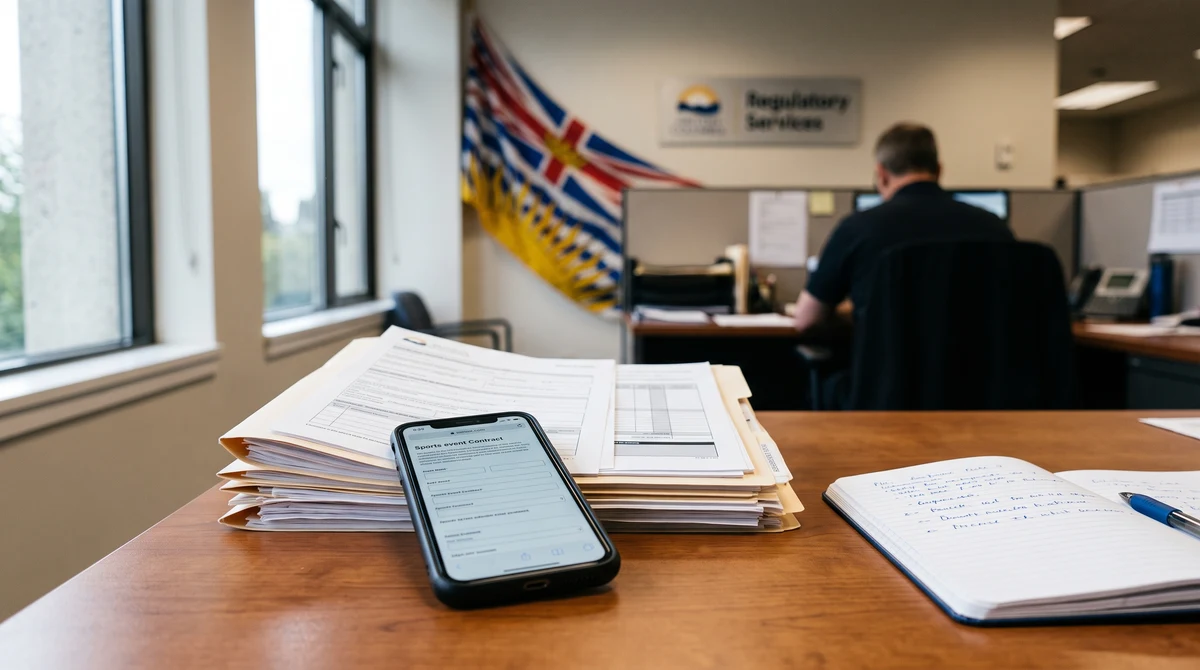
Alberta’s first competitive iGaming market is testing whether regulation can shift players away from offshore gambling platforms. The province launched its regulated online gambling market on July 13, 2026, with 22 approved sites.
The Alberta iGaming Corporation oversees the market. The Alberta Gaming, Liquor and Cannabis regulator is responsible for compliance. The province says unregulated operators previously accounted for about 70% of Alberta’s online gambling activity.
Alberta’s key test is not simply attracting operators. It is showing that regulation can bring players into a safer, more accountable market.
Ontario provides the first benchmark
Ontario offers Alberta an early comparison. A 2026 Ipsos study commissioned by the Alcohol and Gaming Commission of Ontario and iGaming Ontario found that 91.1% of Ontario respondents who gambled online used regulated sites.
That figure increased from 83.7% in the previous study. The survey measured reported player behaviour, not total wagers, deposits or gaming revenue.
It also found that 8.9% of respondents reported using only unregulated sites, according to the study published by Newswire.
Canadian Gaming Association President and Chief Executive Paul Burns cited the 91% rate in an interview published on September 17. He said Ontario’s results showed that a competitive regulated market can attract players from offshore operators when it offers choice, consumer protections and reliable access.
Alberta is launching with broader controls
Alberta opened with centralized self-exclusion, deposit and time limits, age verification and mandatory responsible-gambling standards for approved operators. The Alberta iGaming Corporation said all 22 launch sites had independent third-party RG Check accreditation.
Ontario introduced its BetGuard centralized self-exclusion system in May 2026, more than four years after its regulated market opened. Alberta can now test whether player-protection tools have a greater effect when they are available from launch.
Alberta’s model also directs 3% of gross gaming revenue to First Nations initiatives and social-responsibility programs. The province says 20% of net iGaming revenue will go to the Alberta government.
Advertising remains a major weakness
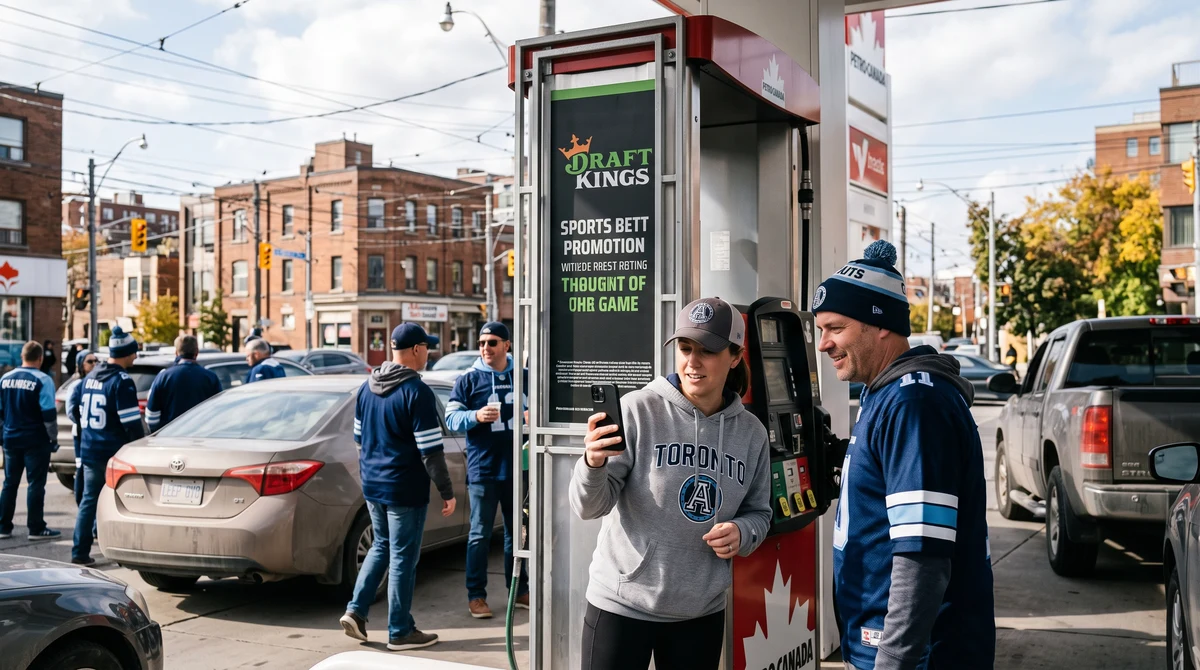
Burns said the Canadian Gaming Association is seeking stronger accountability from digital platforms, including Meta, over illegal gambling advertisements, intellectual-property violations and consumer scams. The association says federal legislation should require platforms to apply stronger safeguards.
The issue extends beyond licensed operators. Provincial regulators oversee regulated gambling services, while offshore advertisements can appear on social media, search engines and other digital channels outside provincial licensing systems.
Canada’s voluntary Code for Responsible Gaming Advertising took effect for full compliance on January 1, 2026. Ad Standards Canada handles complaints under the code, but the code does not replace provincial laws or regulatory enforcement.
What Alberta must measure next
Alberta has not yet published a comparable channelization study. Its first full assessment will need to separate player migration from overall market growth. It will also need to distinguish regulated wagers from revenue, deposits and active accounts.
- Whether players move from offshore sites to approved operators.
- Whether advertising reaches vulnerable or underage audiences.
- Whether self-exclusion and affordability tools work across all approved sites.
- Whether regulators can identify illegal advertisements and scams quickly.
- How much revenue reaches Alberta programs and First Nations initiatives.
Ontario’s 91.1% result gives Alberta a measurable benchmark, but not a guarantee. Alberta’s next challenge is to match that level of regulated participation without allowing customer acquisition to outpace player protection and platform accountability.