





























C$1,390 Woodbine Contest Puts Ontario’s Horse-Betting Rules Under Scrutiny
Woodbine’s live-money contest required a C$1,390 buy-in, exposing the regulatory and player-protection questions around high-stakes horse betting.
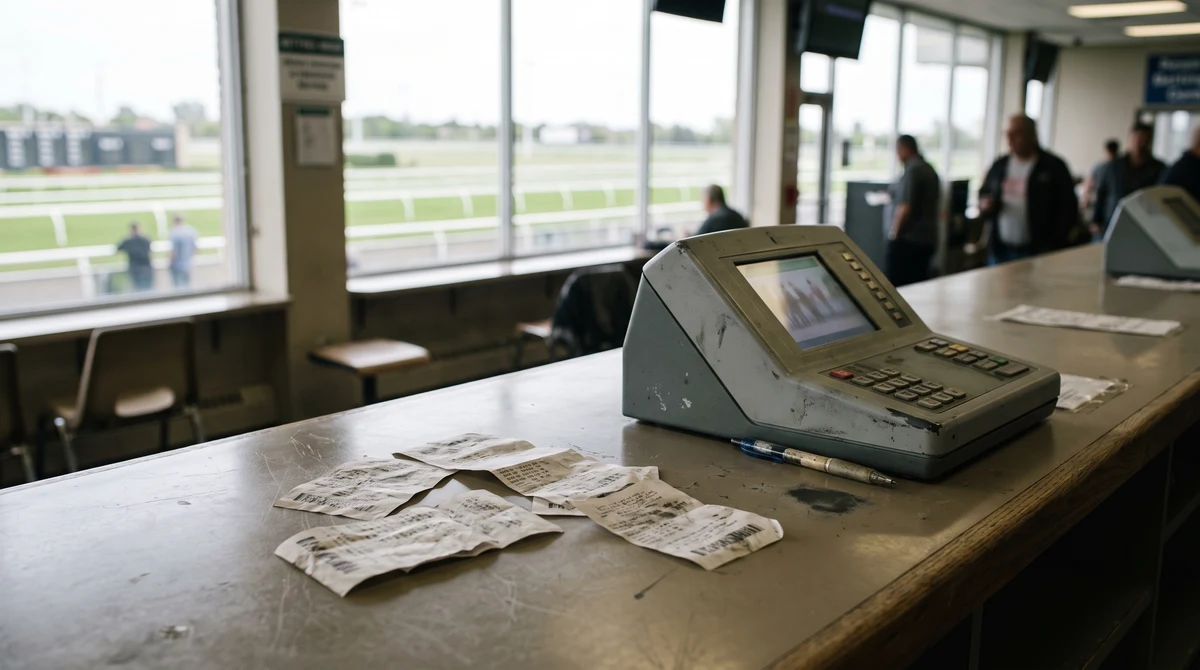
Woodbine Entertainment hosted a live-money handicapping contest on September 12, 2026, alongside the C$1-million Woodbine Mile in Toronto. Each entry required a total buy-in of C$1,390.
The event was not a standard fixed-odds sportsbook product. It used pari-mutuel wagers on Woodbine races. Contestants competed by growing a designated betting bankroll.
The contest combined a competition format with regulated horse-racing wagers, but it did not create a new Ontario sportsbook or online casino product.
How the contest worked
Woodbine’s official rules divided the entry fee into two parts:
- C$835 for the player’s wagering bankroll.
- C$555 for the prize pool.
- C$1,390 in total.
Players could place win, place, show, exacta, trifecta and daily double bets on the live Woodbine card. They had to wager at least C$835 across a minimum of five races.
Additional deposits were not permitted during the contest. Any balance left in the wagering bankroll remained the player’s property, according to Woodbine’s rules.
The rules described the event as a “real money” online handicapping challenge. Canadian residents used HPIbet. Participants from the United States could register through Xpressbet or TwinSpires.
The prize pool guaranteed two entries to the Breeders’ Cup Betting Challenge and two entries to the National Horseplayers Championship. The guarantees were subject to the contest rules and the number of valid entries.
Why Ontario’s regulatory structure matters
Horse racing does not use the same regulatory model as Ontario’s private online casino and sports-betting market.
The Canadian Pari-Mutuel Agency, a federal body within Agriculture and Agri-Food Canada, regulates and supervises pari-mutuel betting on horse racing across Canada. Its mandate focuses on the fairness and integrity of the pari-mutuel system, according to Agriculture and Agri-Food Canada.
Ontario has a separate role. The Alcohol and Gaming Commission of Ontario licenses and oversees the province’s racetracks, race officials and racing participants under the provincial horse-racing framework. That responsibility is distinct from federal supervision of pari-mutuel betting, according to the Alcohol and Gaming Commission of Ontario.
The distinction matters because the Woodbine contest combined a competition format with wagers placed through approved horse-racing platforms. The public rules do not state that the event changes Ontario’s licensing framework.
A costly contest on a major racing card
The contest ran during Woodbine’s Turf Champions Day. The card included four Grade 1 Breeders’ Cup Challenge Series races, including the Woodbine Mile. Its winner received an automatic place in the Breeders’ Cup Mile, according to Woodbine Entertainment.
Notable Speech defended his Woodbine Mile title on September 12, 2026. The Godolphin-owned horse won the C$1-million race for a second consecutive year, according to a Woodbine Entertainment race report.
The race meeting increased the contest’s visibility. The financial structure also placed clear limits on participants. The C$555 entry fee went into the prize pool and was not part of the wagering funds. The C$835 bankroll still had to be placed at risk under the minimum-wagering rules.
Player protection remains a separate question
Canada’s 2025 national risk assessment says pari-mutuel betting and racetracks have a lower money-laundering vulnerability than casinos. It also says horse-race betting can take place through cash, betting accounts and online channels. Account registration and transaction limits are among the safeguards identified in the assessment.
The Woodbine rules set limits on deposits and eligible wagers. They do not establish a separate national standard for affordability checks, self-exclusion or gambling-risk screening.
Those controls depend on the relevant wagering platform and the rules applying to the account and jurisdiction. For participants, the key practical issue is that the C$835 bankroll must be used under contest rules, while other safeguards remain tied to the betting account and platform.
The event provides a visible example of how traditional race betting is being packaged as a high-stakes competition. It also shows why regulators and operators must keep the boundaries clear between a pari-mutuel contest, a horse-racing betting account and Ontario’s broader iGaming market.