







Bill S-211 Puts Ottawa and Provinces on Collision Course Over Sports-Betting Ads
Parliament begins studying Bill S-211 on October 29, after research found about 3,000 gambling messages in seven NHL playoff broadcasts.
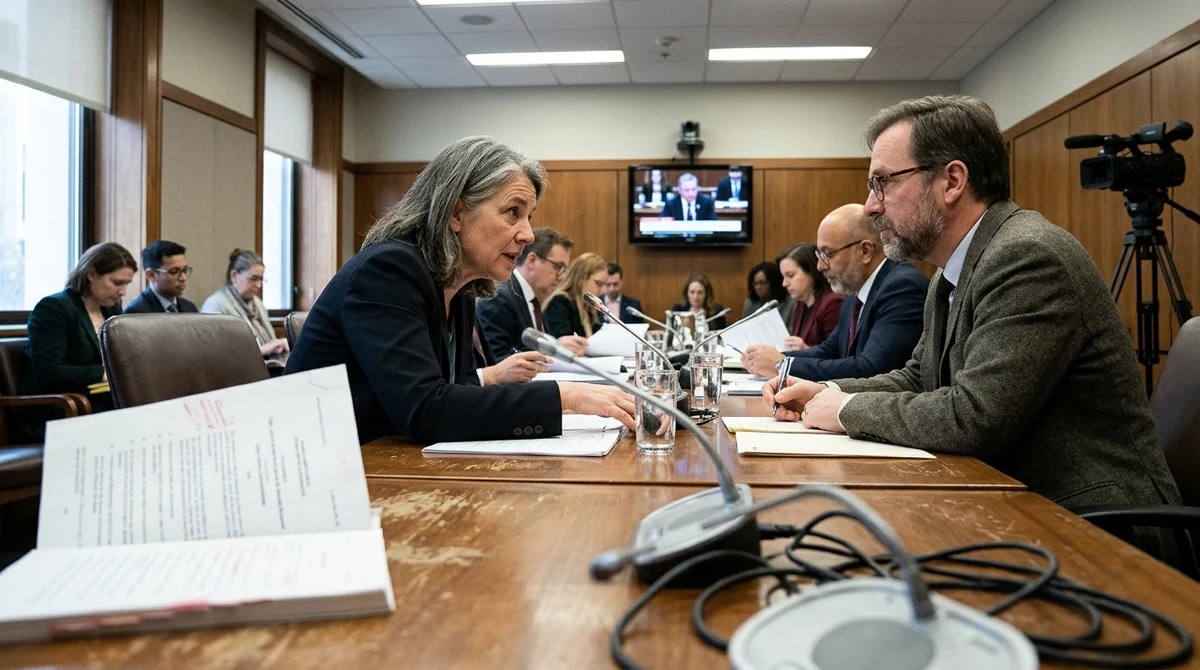
Canada’s fight over sports-betting advertising moves to a key parliamentary hearing on Thursday, October 29, 2026. The House of Commons Standing Committee on Canadian Heritage will begin studying Bill S-211.
The proposed National Framework on Sports Betting Advertising Act would ask Ottawa to develop national standards for betting promotions, gambling-harm prevention and support for affected people. It would not immediately ban betting advertisements.
Bill S-211 has passed second reading, but it is not law. The committee must decide how much authority Ottawa should have over advertising that crosses provincial borders.
What happens on October 29
Sen. Marty Deacon, who introduced the bill, and Liberal MP Bardish Chagger, its House sponsor, are scheduled to testify at the committee’s first Bill S-211 meeting.
The committee is also scheduled to conduct clause-by-clause consideration on November 3. Members could examine the wording, propose amendments and vote on whether to send the bill back to the House of Commons.
The bill passed second reading by a 291-28 vote on April 22, 2026. It remains at committee stage and has not become law.
Why the advertising debate has intensified
A CBC News analysis conducted with researchers from the University of Bristol counted about 3,000 gambling messages across seven 2026 National Hockey League playoff broadcasts featuring Canadian teams.
The researchers reported that gambling logos and promotions appeared two to three times per minute on rink boards, jerseys, helmets and commercial breaks. About 95 per cent of the messages did not include information about age limits or harm reduction.
That evidence has strengthened the case made by supporters of national action. They argue that provincial rules cannot fully control advertising carried through national broadcasts, shared highlights and digital platforms.
Ontario and Alberta reject federal oversight
Ontario and Alberta oppose Bill S-211. Both provinces operate regulated private-sector iGaming markets. Their governments argue that gambling advertising should remain within provincial frameworks.
Alberta opened its regulated online gambling market on July 13, 2026. Service Alberta Minister Dale Nally has described the federal proposal as an intrusion into provincial responsibility.
The Canadian Gaming Association also opposes the bill. It argues that national rules could create overlapping systems and weaken the authority of provincial regulators.
Ontario points to its own restrictions. Since February 28, 2024, registered operators in the province have faced limits on using active and retired athletes in public advertising, except when promoting responsible gambling. Ontario’s rules still allow some team and equipment sponsorship arrangements.
What Bill S-211 could change
The bill would require the federal government to consult provinces, territories, gaming regulators, Indigenous organizations, researchers, broadcasters, advertisers and the gambling industry.
The resulting framework could examine:
- limits on the number, scope or location of sports-betting advertisements;
- restrictions on athletes and celebrities appearing in gambling promotions;
- national standards for preventing and identifying harmful gambling;
- support for people affected by gambling harm; and
- whether Canadian Radio-television and Telecommunications Commission rules adequately address advertising risks.
The legislation would give Ottawa a planning and coordination role, not an immediate advertising ban. The committee’s work will determine how broad that role becomes and whether provincial concerns lead to amendments.
The practical stakes for operators and viewers
For operators in Ontario and Alberta, national rules could affect sponsorships, broadcast placements, athlete partnerships and digital campaigns.
For provinces without commercial private iGaming markets, the debate concerns advertising that enters their jurisdictions through national sports coverage and online platforms.
The October 29 hearing will not settle the dispute. It will show whether Parliament is moving toward one national response to gambling advertising or separate provincial approaches with added coordination.