



















Alberta’s New iGaming Model Meets Ontario’s Mature Market in Lisbon
SBC Summit 2026 will compare Alberta’s private market with Ontario’s established system, focusing on regulation, commercial control and player protection.
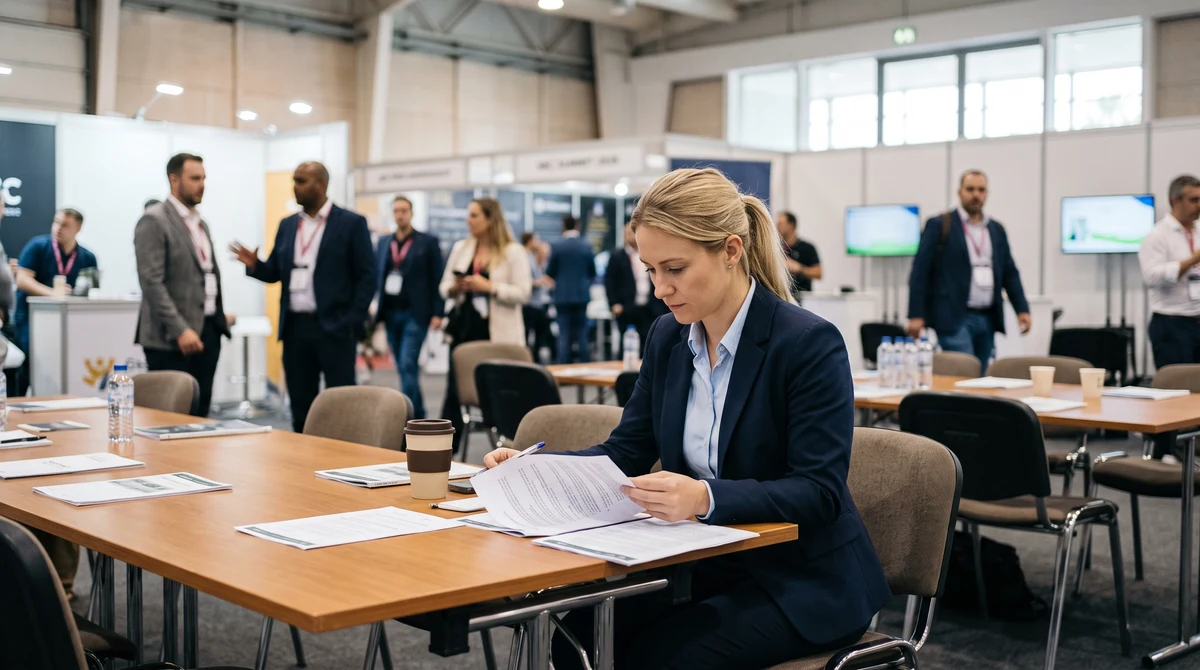
Alberta’s new private iGaming market and Ontario’s established operator system will be compared at SBC Summit 2026 in Lisbon. The session will examine how the two provinces regulate online gaming, manage commercial operations and protect players.
The session, titled “Canada: Province by Province Progress,” is scheduled for September 29 at the Regulation and Compliance Stage. Speakers include Bet99 CEO Jared Beber, PlayOJO CEO Ohad Narkis, Canadian Gaming Association President and CEO Paul Burns, and Oddin.gg executive Martin Lycka. Canadian Gaming Business reported the speaker lineup.
Two provinces, two operating models
Alberta launched its regulated online iGaming market on July 13, 2026. The Alberta Gaming, Liquor and Cannabis Commission serves as regulator. The Alberta iGaming Corporation oversees the market’s conduct and management function. The framework allows private operators to enter under provincial rules.
Alberta’s government says unregulated providers previously accounted for about 70% of the province’s iGaming market. The province aims to shift more play into a regulated system with centralized self-exclusion, advertising controls and other player-protection measures.
Ontario took a different route. Its regulated private market launched on April 4, 2022. As of September 1, 2026, iGaming Ontario listed:
- 49 regulated operators
- 84 regulated gaming websites
Ontario separates regulation from commercial management. The Alcohol and Gaming Commission of Ontario registers and regulates operators and suppliers. iGaming Ontario conducts and manages private-sector internet gaming. Ontario Lottery and Gaming Corporation separately conducts and manages OLG.ca.
Alberta is building a private market around a new provincial framework. Ontario is operating a more mature system with a larger established operator base.
Why the comparison matters
Alberta is testing whether a new private market can draw players away from offshore sites while introducing safeguards from the outset. Ontario is managing a mature market and examining how to reduce operational barriers without weakening controls.
iGaming Ontario’s 2026 to 2029 business plan projects fiscal 2026-27 adjusted gross gaming revenue of C$4.3 billion. It forecasts net income after stakeholder payments of C$293.6 million. The plan also says casino activity is taking a larger share of Ontario’s market, while monthly active player accounts have risen above one million.
Market access also differs between the provinces. In Ontario, a private operator must register with the Alcohol and Gaming Commission of Ontario and sign an operating agreement with iGaming Ontario before offering games. Players must be physically located in Ontario to use authorized sites.
Alberta’s market remains in its early operating phase. Registration, geolocation, identity checks, responsible gambling tools, payments and dispute handling will therefore be central issues for operators and suppliers seeking entry.
Canada takes the stage in Lisbon
SBC Summit 2026 is scheduled for September 29 to October 1 at Feira Internacional de Lisboa and the MEO Arena. Organizers expect more than 40,000 professionals from betting, gaming, payments, technology, media and related sectors. Canadian Gaming Business reported the event details.
The event will also feature senior figures from DraftKings and Sportradar, including DraftKings co-founder and CEO Jason Robins and Sportradar founder and CEO Carsten Koerl. Their participation reflects the event’s commercial focus. The Canadian session will concentrate on the regulatory differences that determine how companies can operate in each province.
A strategy that works in Ontario cannot simply be transferred to Alberta. Operators must account for each province’s separate licensing, commercial management, player-protection and revenue rules.