




























Ontario’s BetGuard Debate: Blocking Gambling Access Is Not Treatment
Ontario’s BetGuard system restricts gambling access, while CARA is pressing for stronger links to counselling and treatment services.
Ontario’s BetGuard self-exclusion system is facing a wider test: can blocking gambling access also connect people with treatment? The Canadian Addiction Recovery Association says that will require trained counsellors, technology-enabled first contact and stronger links to existing services.
BetGuard can restrict access to regulated online gambling. It does not replace counselling, clinical treatment or help navigating care.
CARA is expanding its responsible-gambling work after acquiring gaming-related platforms and programs from the Canadian Addiction Counsellors Certification Federation. The transfer includes the “Pathways to Prevention, Education and Treatment” program, according to CARA. (CARA)
BetGuard blocks access, but does not provide treatment
BetGuard is Ontario’s centralized self-exclusion tool. Since its launch on May 14, 2026, people aged 19 and older have been able to opt out of all regulated online gambling platforms in the province through one portal.
Players can choose:
- Six months
- One year
- Five years
- A custom term
The system prevents participating operators from allowing access to existing accounts, opening new accounts or sending direct marketing to enrolled players. It also covers Ontario Lottery and Gaming Corporation sites and private regulated operators.
Self-exclusion is a barrier, not clinical care. Harley Redlick, CARA’s executive director, told Gaming News Canada that BetGuard can help someone stop playing. He also warned that it does not address the reasons behind harmful gambling or guarantee that a person will not access another account. (Gaming News Canada)
CARA seeks a larger role in connecting people to help
CARA says its work focuses on training addiction and mental-health counsellors, with specific attention to gambling-related harm. The association also describes technology-enabled recovery education and employee support as part of its mission. (CARA)
Redlick said the assets transferred from the federation include technology designed to give people immediate access to a customer-service representative. He described that contact as an initial step toward treatment, not treatment itself.
That distinction matters in Ontario. ConnexOntario provides free, confidential support and helps people find counselling and treatment services. It operates separately from BetGuard and CARA.
iGaming Ontario directs people concerned about gambling to ConnexOntario for support options and referrals. (iGaming Ontario)
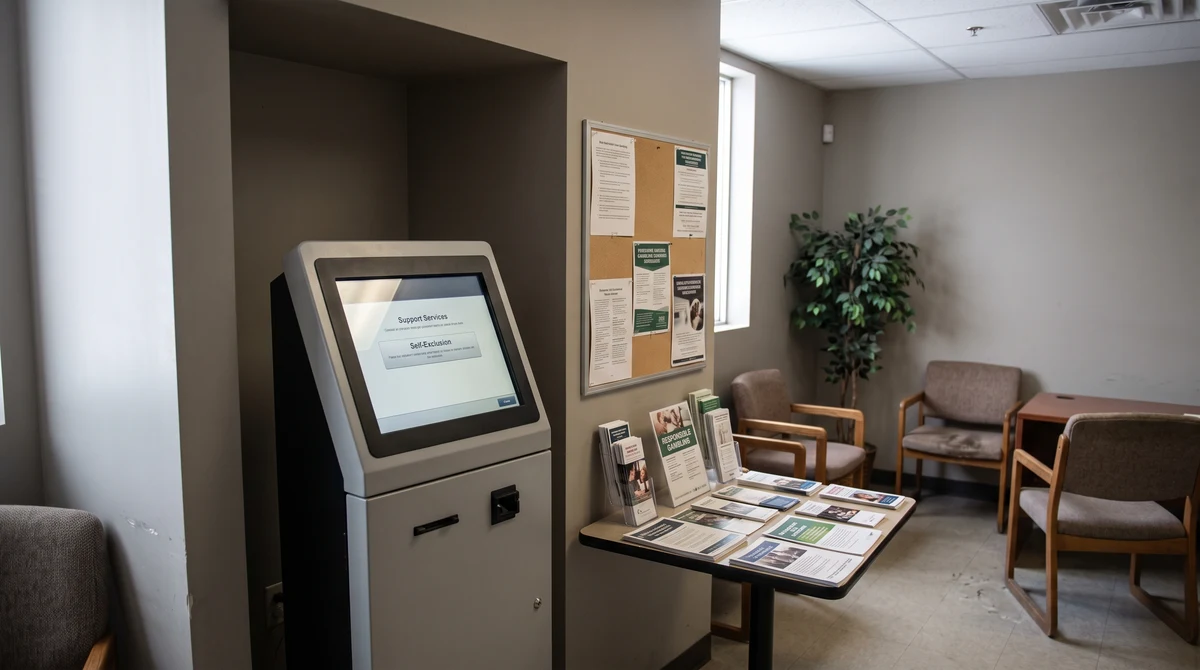
Casino kiosks remain a proposal
CARA is also interested in placing support kiosks in designated safe spaces at Ontario casinos. Redlick said the association could explore cooperation with Ontario Lottery and Gaming Corporation and its PlaySmart centres.
The proposal would move the first contact for help closer to where gambling harm may become visible. It would also raise practical questions about privacy, staffing, referral quality and who should operate the kiosks.
- A treatment provider
- A casino-linked organization
- An independent body
No public agreement establishing CARA kiosks with Ontario Lottery and Gaming Corporation or PlaySmart has been announced in the available material. The idea remains a proposal.
Ontario’s model does not cover the whole country
Ontario’s approach is not a national system. Gambling regulation, treatment delivery and self-exclusion arrangements differ by province and territory.
BetGuard applies to Ontario’s regulated online market. It does not cover every gambling service available to Canadians.
That makes CARA’s expansion relevant beyond Ontario, but the model cannot automatically be transferred across the country. A wider system would need to account for provincial regulators, lottery corporations, private operators, Indigenous gaming authorities and local treatment networks.
- Self-exclusion: limits access to participating gambling services.
- Support navigation: helps a person find counselling or other services.
- Clinical treatment: addresses gambling disorder and related mental-health or addiction needs.
The policy issue is whether these functions are connected quickly enough when someone asks for help. Ontario has centralized self-exclusion through BetGuard. CARA is seeking a larger role in support navigation while emphasizing that treatment must remain with qualified care providers.
How those responsibilities are connected will shape the next stage of player protection as Canada’s regulated online gambling markets expand.