





























Ontario Youth Gambling Rises Sharply, Putting Age Checks and Ad Rules Under Pressure
A new Ontario survey shows youth gambling and sports betting rising, renewing scrutiny of age checks and advertising rules.

Online gambling among Ontario students rose to 12 per cent in 2025, up from 8 per cent in 2023, according to findings from the Centre for Addiction and Mental Health.
Online sports betting also increased. The share of students who reported betting rose from 1 per cent in 2019 to 10 per cent in 2025.
The findings highlight a gap between Ontario’s legal age limit and the level of gambling exposure reported by students.
What the survey found
The 2025 Ontario Student Drug Use and Health Survey collected self-reported data from 11,108 students in Grades 7 to 12. The students attended 246 schools in 42 Ontario school boards.
Data collection took place between December 2024 and June 2025.
- 12 per cent reported online gambling in the previous year, compared with 8 per cent in 2023.
- 10 per cent reported online sports betting in 2025, compared with 1 per cent in 2019.
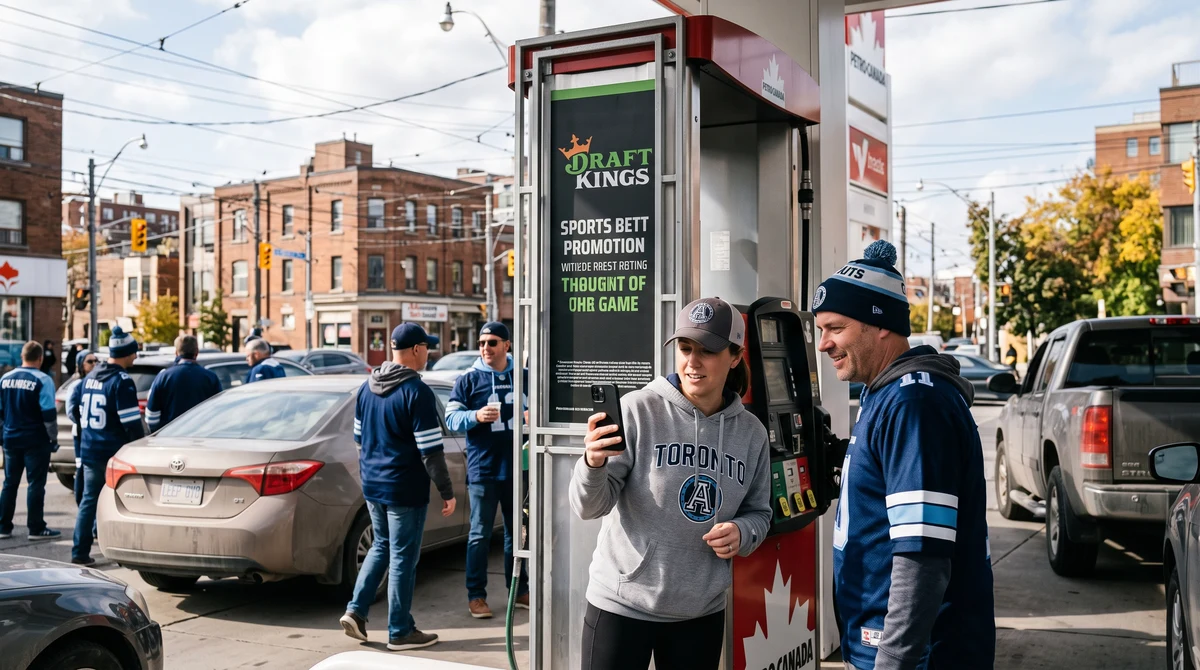
- 23 per cent reported seeing online gambling advertising every day.
Ontario’s legal age for internet gaming is 19. The survey does not establish whether the students used regulated Ontario websites, offshore services, social betting products or other forms of gambling.
CAMH said the results raise questions about how minors encounter gambling products despite age restrictions. The agency called for stronger limits on youth exposure, celebrity and athlete endorsements, and gambling promotion during sports broadcasts.
Rules exist, but exposure remains high
Ontario’s regulated internet gaming system requires players to be at least 19. iGaming Ontario conducts and manages the market, while private operators act as its agents. The Alcohol and Gaming Commission of Ontario regulates operators and sets compliance standards.
Ontario’s gaming standards prohibit advertising that targets underage people or appears in media primarily directed at minors. The Alcohol and Gaming Commission of Ontario said in its 2023-24 annual report that it had strengthened restrictions on athletes, celebrities and other figures likely to appeal to minors in internet gaming advertising.
The survey does not show whether any operator failed an age check. It does, however, raise a practical question for regulators and operators: whether safeguards work across the full path from advertising to account opening and play.
Health data adds pressure
A study published in the Canadian Medical Association Journal examined 13 years of contacts with Ontario’s ConnexOntario mental health and addictions helpline.
Researchers recorded 37,087 gambling-related contacts among 745,716 total contacts from January 2012 to September 2025.
The monthly rate of gambling-related contacts rose after the launch of PlayOLG in January 2015. It rose further after private online gambling and single-event sports betting expanded in April 2022.
The largest estimated increases occurred among adolescent boys and males aged 15 to 44. The study found an association with market expansion. It did not establish that expansion alone caused each contact or gambling problem.
What may come next
The findings are likely to focus debate on three areas:
- Age verification: whether operators can reliably prevent minors from opening or using accounts.
- Advertising placement: whether sports, social media and digital channels expose young people to gambling at scale, even when campaigns do not directly target minors.
- Early support: whether schools, families and treatment services can respond before risky betting becomes persistent.
Ontario has also introduced BetGuard, a centralized self-exclusion tool for people aged 19 and older. The service can block access to regulated online gambling accounts and marketing communications.
BetGuard does not address underage access because minors cannot enrol in the service.
The next test is whether existing safeguards reduce youth exposure and prevent access in practice. Counting licensed operators and confirming that advertising rules exist will not answer that question on its own.