




























Ontario Gambling Disorder ER Visits Rose 99% After Online Market Expansion
A peer-reviewed study found Ontario gambling-disorder emergency visits were 99% above expected levels by June 2025 after the 2022 market expansion.
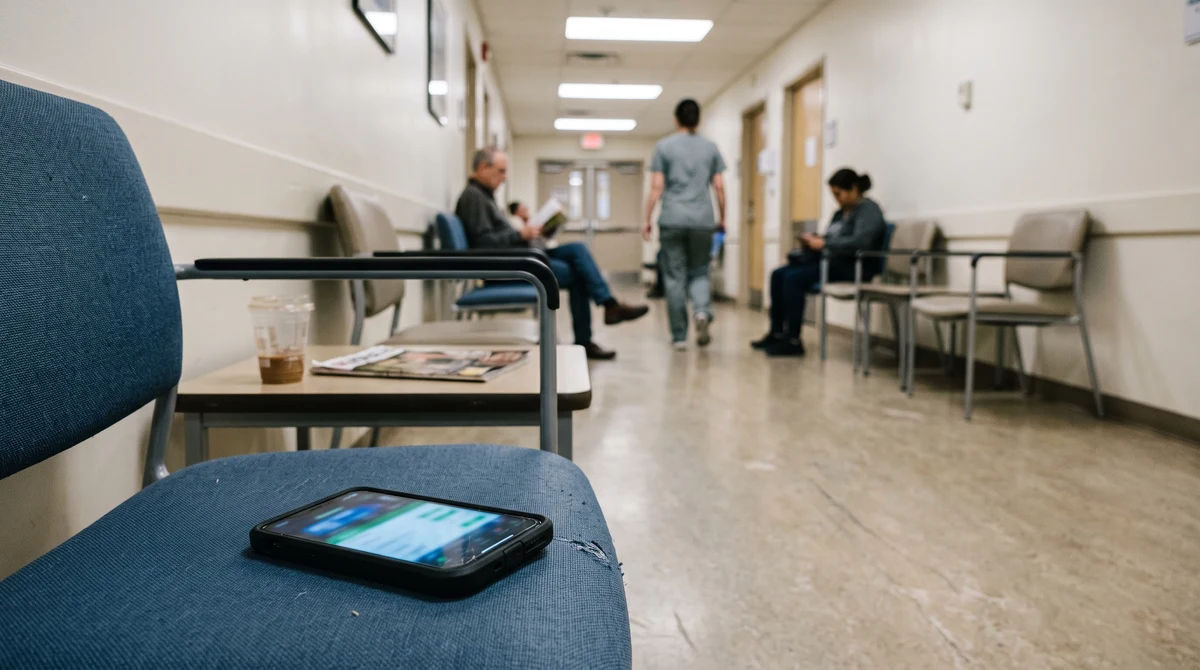
Emergency-department visits for gambling disorders in Ontario were estimated to be 99% higher than expected by April to June 2025 after the province expanded private online gambling and legalized single-event sports betting, according to a peer-reviewed study.
The study found a sustained rise in gambling-disorder emergency visits after Ontario opened its regulated private online market on April 4, 2022. It did not establish that the policy caused every visit.
The largest increases were among males
- The overall rate was estimated to be 99% higher than expected without the market expansion.
- The rate was 154% higher among males aged 10 to 29.
- The rate was 116% higher among males aged 30 to 44.
- Researchers found no significant change among females.
Researchers analyzed 952 gambling-disorder emergency visits involving 757 people in Ontario between January 2012 and June 2025. The population-based study included residents aged 10 and older who were eligible for provincial health coverage. The study was published by the Institute for Clinical Evaluative Sciences.
The increase was gradual rather than an immediate jump. Researchers estimated that visits rose by about 7% per quarter after the April 2022 policy change.
Online gambling expanded alongside the increase
iGaming Ontario, the provincial Crown agency that conducts and manages online gaming with private operators, reported more than C$82.7 billion in wagers and C$2.9 billion in total gaming revenue during the 2024-25 fiscal year.
The figures covered more than 2.6 million active player accounts. That figure does not represent unique individuals because one person may hold accounts with multiple operators. iGaming Ontario reported the figures in its 2024-25 annual report.
Ontario’s regulated online market launched on April 4, 2022. The Alcohol and Gaming Commission of Ontario regulates operators and sets standards. iGaming Ontario manages commercial relationships with registered operators.
Operators must monitor player behaviour, identify people who may be experiencing gambling-related harm and offer interventions. These can include reminders, personalized contacts, breaks, spending restrictions, account suspension or account closure. The Alcohol and Gaming Commission of Ontario sets out the requirements in its player-protection guidance.
Emergency data captures only part of the harm
The study’s authors said gambling-disorder emergency visits were rare. They warned that the figures may reflect broader increases in gambling-related harm because many people seek help through family doctors, counselling services or helplines. Others may not seek help at all.
A separate study reported a sharp increase in gambling-related contacts with Ontario’s mental-health helpline among young men after private online gambling was introduced, according to Global News. That finding suggests emergency-department data may capture only one part of the problem.
The study measures health-system use. It does not measure individual betting behaviour, operator conduct or the effectiveness of specific safeguards.
For regulators, the findings raise questions about whether existing protections reach high-risk players early enough, particularly young males using mobile betting and in-play products. The results also provide a measurable public-health indicator as Ontario’s online market continues to generate billions of dollars in annual wagers.