























Alberta’s New iGaming Market Faces Its First Player-Protection Test
A September 22 symposium examines safeguards as Alberta’s private iGaming market enters its first full autumn sports season.
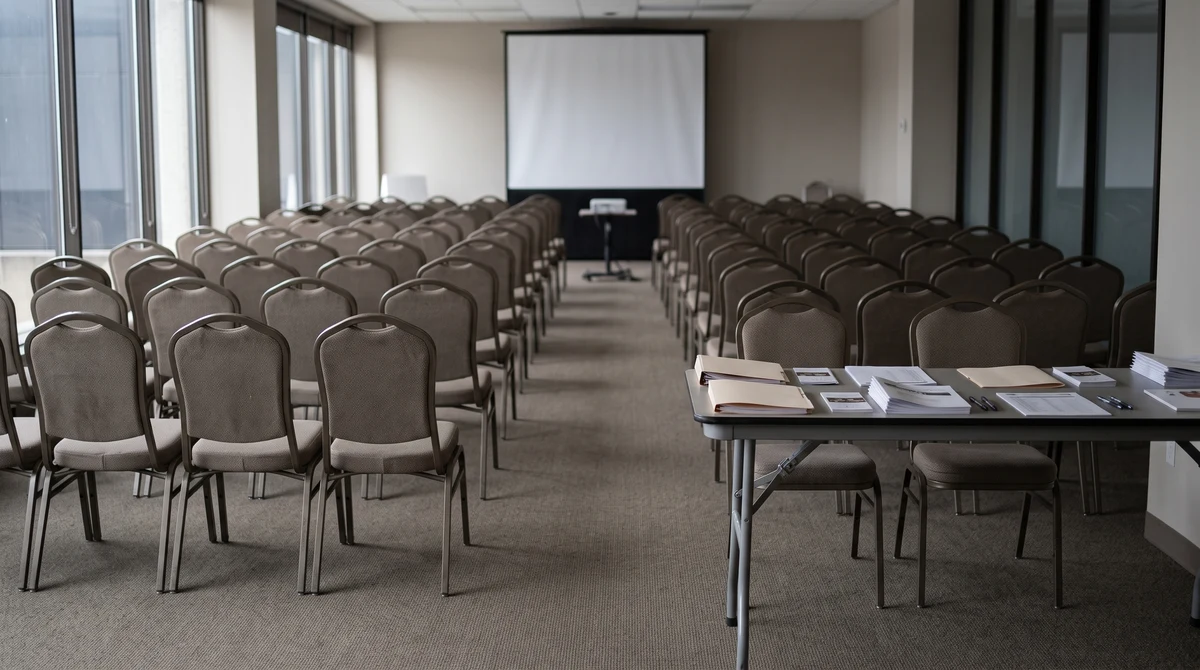
Alberta’s new private iGaming market faces its first major player-protection test as regulators, researchers and industry representatives meet in Edmonton on September 22, 2026.
Alberta Gaming, Liquor and Cannabis is hosting its 21st annual Insight Responsible Gambling Symposium at Fantasyland Hotel. The event will examine player safety, gambling-harm reduction and social responsibility as online betting becomes more widely available in the province.
Alberta’s first full autumn sports season will test whether safeguards work consistently across the province’s new private online betting market.
A market launched in July
Alberta’s regulated iGaming market officially launched on July 13, 2026. The timing places private operators in their first full autumn sports season, a period when online betting demand receives increased attention from consumers and advertisers.
The Alberta iGaming Corporation oversees market operations and commercial agreements. AGLC remains the provincial regulator. The division separates market management from compliance, advertising standards and player safeguards.
The provincial government created the framework to move players from unregulated sites into a system with registration, identity controls and social-responsibility requirements. Alberta has estimated that unregulated providers previously held about 70 percent of the province’s iGaming market.
What the symposium will examine
AGLC says the program will explore what it calls a new era of gambling in Alberta. It includes a review of 25 years of work by the Alberta Gambling Research Institute and a session on the growth of the province’s centralized Self-Exclusion Program.
- Player safety and gambling-harm reduction.
- Self-exclusion across online and land-based gambling.
- Recovery and treatment for people affected by gambling harm.
- The role of digital tools and artificial intelligence in support services.
- The responsibilities of operators, venues and communities.
The program also includes a panel on safer play and stronger communities. Representatives from Bingo Alberta, Casino Dene and an Alberta hospitality business are scheduled to take part.
A separate session will feature AGLC and the Alberta iGaming Corporation discussing the province’s new market.
Safeguards are part of the operating model
Alberta’s rules require registered operators to identify and respond to high-risk gambling behaviour. Operators must offer financial and time-based limits during registration and keep those tools available after an account opens.
Players must receive information about their account activity and reminders that limits are available. Operators must also integrate AGLC’s centralized Self-Exclusion Program.
The program allows a person to exclude themselves from all registered iGaming platforms, land-based casinos and racing entertainment centres, or from both online and physical venues. Alberta’s private-market framework sets the minimum age for online betting at 18.
Implementation will be the pressure point
The existence of rules will not show whether operators identify risky behaviour quickly or whether players understand the available tools. Their practical effect will depend on how consistently those safeguards operate across platforms.
AGLC’s internet-gaming standards also cover social responsibility, information technology and security requirements. The regulator oversees advertising content, including responsible-gambling messages and safeguards intended to protect minors and vulnerable groups.
Alberta is also developing broader treatment services for people affected by gambling-related harm. The provincial government sought applicants in 2026 for coordinated outpatient and virtual support, including services for affected family members.
The symposium provides an early opportunity to assess how the new market will handle player protection before the autumn betting cycle is complete. The available information does not yet show how the safeguards are performing in practice.