






















Alberta’s iGaming Launch Sparks Fight Over Profits, Ownership and Player Safety
Alberta’s private iGaming market is challenging British Columbia’s public model over foreign ownership, gambling revenue and player protection.
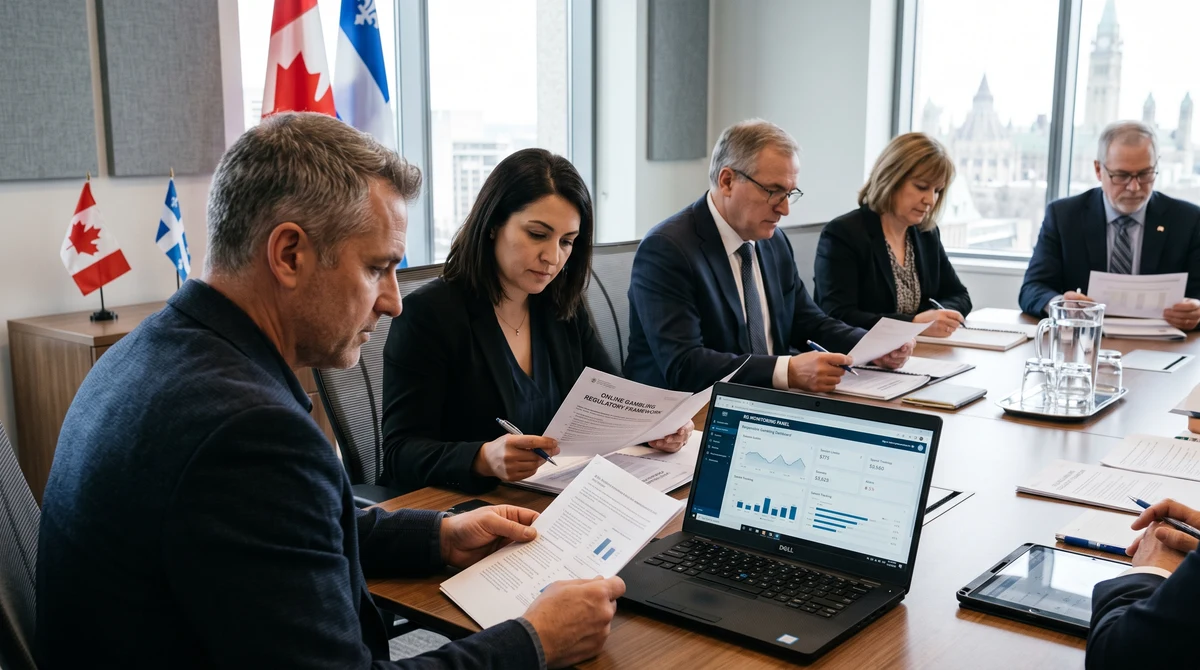
Alberta’s private iGaming market has opened a dispute with British Columbia over ownership, public revenue and player protection. The province launched its regulated market on July 13, 2026, allowing licensed private operators to compete with the government-run Play Alberta platform.
British Columbia Lottery Corporation chair Greg Moore said the model could send profits, data and economic value outside Canada. Alberta Service Alberta Minister Dale Nally called the criticism “disingenuous.” He said regulation could move players from offshore websites to a supervised market.
Two provincial models
Alberta allows multiple registered private operators. British Columbia relies on PlayNow, operated by the British Columbia Lottery Corporation, as the province’s only legal online gambling platform.
The two models also distribute gambling revenue differently. The British Columbia Lottery Corporation reported $442 million in iGaming revenue during the 2023-24 fiscal year. It said $282 million, or 64 per cent, went to the British Columbia government.
Those figures cover British Columbia operations and cannot be directly compared with Alberta’s revenue-sharing formula.
Moore argued that Alberta’s system gives international companies a larger role in a market that previously returned more gambling value through a provincial Crown corporation. In an analysis published on LinkedIn and cited by Casino.org, he said about 32 private operator groups had registered or entered Alberta’s market.
Moore estimated that roughly 16 per cent of those groups were clearly Canadian-owned and controlled. He said more than 80 per cent were foreign-owned or jointly foreign-owned. Those figures are his analysis, not an official Alberta ownership breakdown.
Alberta’s case for competition
Alberta’s government says it is responding to an existing market rather than creating online gambling from nothing. It estimates that about 70 per cent of online gambling activity in the province previously occurred through unregulated operators.
The province says regulated operators must meet requirements covering:
- Age verification
- Financial and time limits
- Identification of high-risk behaviour
- Transaction records
- Centralized self-exclusion
Alberta’s framework directs 20 per cent of net iGaming revenue to the government. The remaining 80 per cent goes to operators after specified First Nations and social-responsibility allocations.
“The reality is online gambling is widely available around the world,” Nally told Casino.org.
Nally’s position is that provincial oversight gives Alberta greater control over activity residents already access. The policy also aims to retain part of that economic activity in the province instead of leaving it entirely with offshore operators.
Who regulates Alberta’s market?
Alberta separates commercial management from regulatory enforcement. The Alberta iGaming Corporation oversees market operations and commercial agreements. Alberta Gaming, Liquor and Cannabis handles operator registration, regulatory oversight and enforcement.
- Alberta iGaming Corporation: commercial agreements, market conduct and management duties, financial reporting and related oversight.
- Alberta Gaming, Liquor and Cannabis: operator registration, regulatory requirements and enforcement.
- Play Alberta: the government-run platform competing with private operators in the regulated market.
Operators must complete both the regulatory registration process and a commercial agreement before operating legally in Alberta. Licensing therefore does not place the entire market under one agency.
The player-protection test
The dispute is also about whether a larger legal market can reduce the use of unregulated websites without increasing exposure to gambling advertising and risky play.
Registered platforms must provide financial and time limits, identify high-risk behaviour, support centralized self-exclusion and give players access to account information. Alberta Gaming, Liquor and Cannabis also provides a complaints process for players who believe a regulated site has breached provincial rules.
British Columbia’s public model makes a different promise. The British Columbia Lottery Corporation says PlayNow profits return to the province. It also says the platform operates under provincial and federal requirements covering age verification, privacy, technical integrity and anti-money-laundering controls.
A wider Canadian policy divide
Ontario has operated a competitive private iGaming market since April 2022. Alberta’s launch extends that approach to Western Canada and adds pressure on other provinces to decide whether online gambling should remain concentrated in Crown corporations or open to private competition.
The policy divide is clear. Supporters view private competition as a way to regulate activity that already exists. Critics warn that regulation can still leave control, profits and data with multinational companies.
For Alberta players, the immediate questions are practical:
- Which websites are registered?
- What limits and self-exclusion tools do they provide?
- How quickly can regulators enforce the rules as the market expands?