





























Alberta’s iGaming Launch Faces a $228 Million Offshore Wagering Gap
Offshore sites handled an estimated $228 million more in Canadian wagers than licensed platforms, raising pressure on Alberta’s new market.
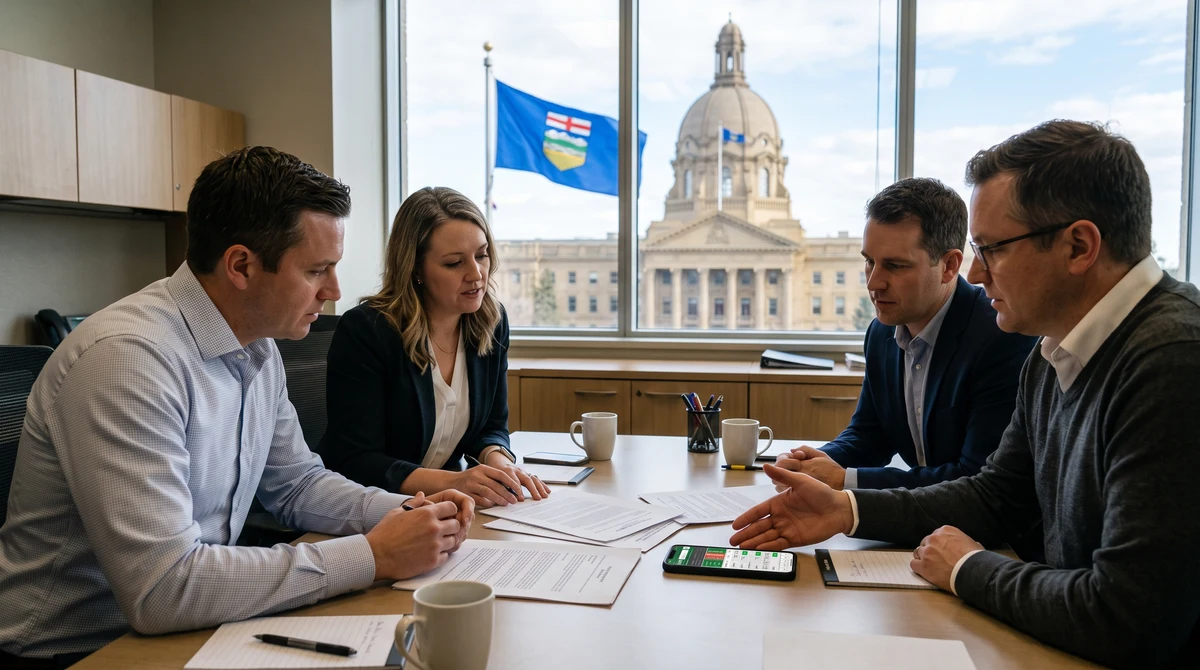
Alberta’s regulated iGaming market faces an early test after commercial research estimated that offshore sites handled more Canadian wagering volume than licensed platforms, despite attracting fewer players.
Research released on August 27 by CasinoCanada, using figures from Blask, estimated CA$712 million in offshore wagers during an August 2026 snapshot. Licensed platforms accounted for an estimated CA$484 million.
The figures measure wagers, not gaming revenue, taxes or profits. On that basis, offshore sites accounted for about 59.5% of the combined estimated wagering volume, compared with 40.5% for licensed platforms.
The figures suggest that player numbers alone may not show where the largest share of wagering is taking place.
Fewer players, more wagering
The research estimated that 66.47% of Canadian players used licensed sites, while 33.53% used offshore platforms.
The smaller offshore group nevertheless generated about CA$228 million more in estimated wagers than users of licensed sites. The result puts the focus on high-value players, not only on the number of users who enter the regulated market.
- Estimated offshore wagers: CA$712 million.
- Estimated licensed-platform wagers: CA$484 million.
- Estimated difference: CA$228 million.
- Share of players using licensed sites: 66.47%.
- Share of players using offshore platforms: 33.53%.
Alberta starts from a difficult position
Alberta opened its regulated online iGaming market on July 13, 2026. Registered operators can offer services under a framework overseen by Alberta Gaming, Liquor and Cannabis. The Alberta iGaming Corporation conducts and manages the market.
Blask estimated that offshore brands controlled 89.2% of Alberta’s competitive earning baseline during the 12 months before the launch. PlayAlberta, then the province’s sole licensed operator, held 10.8%.
That estimate differs from the Alberta government’s broader assessment that unregulated operators capture about 70% of the province’s total iGaming market. The figures use different methods and are not interchangeable.
Blask’s measure is a commercial estimate based on demand, visibility and competitor data. The government figure describes the overall market share attributed to unregulated operators.
CasinoCanada’s research also placed Alberta among the provinces where offshore play remains dominant. It estimated that about 88% of online gambling in Alberta and Manitoba went to sites without a Canadian licence. By comparison, it estimated that roughly 91% of Ontario online play remained within the regulated market.
Ontario is a benchmark, not a guarantee
Ontario opened its competitive regulated market on April 4, 2022. A study released by iGaming Ontario in May 2026 found that 91.1% of surveyed online players reported using regulated sites. Another 8.9% reported playing only on unregulated sites.
The Ontario result measures whether players used a regulated site. It does not show how much money they wagered on regulated platforms.
iGaming Ontario has said it is working toward a broader channelization measure that includes the volume of play on each site. That distinction matters for Alberta because a market can attract most players to licensed platforms while a smaller group accounts for a disproportionate share of wagering.
What Alberta’s rules are designed to change
Alberta requires registered operators to provide player-protection measures under Canadian provincial supervision. These include:
- Centralized self-exclusion.
- Financial and time-based play limits.
- Age and identity controls.
- Intervention for high-risk behaviour.
- Transaction records and account-activity reminders.
- Restrictions on advertising aimed at minors and vulnerable people.
The province has set the minimum age for online betting at 18. It also plans to direct 3% of gross gaming revenue to First Nations and social responsibility funding before allocating net revenue between operators and the government.
The next test is high-value wagering
Alberta’s launch will be judged not only by the number of approved operators, but by whether substantial wagering shifts to platforms subject to provincial oversight.
That shift will depend on product choice, payment methods, pricing, availability and enforcement. Safer-gambling controls will also shape whether players remain on licensed platforms.
Ontario’s experience suggests that competitive choice can improve player channelization over time. Alberta began with a larger estimated offshore presence, and the latest research indicates that the players generating the most wagering may be the hardest to move.