


























Alberta Expands iGaming as Flood Damage Removes 62 Addiction-Treatment Beds
A 62-bed Edmonton addiction centre is closing after flood damage as Alberta expands regulated online gambling and faces a nearly 600-person wait list.
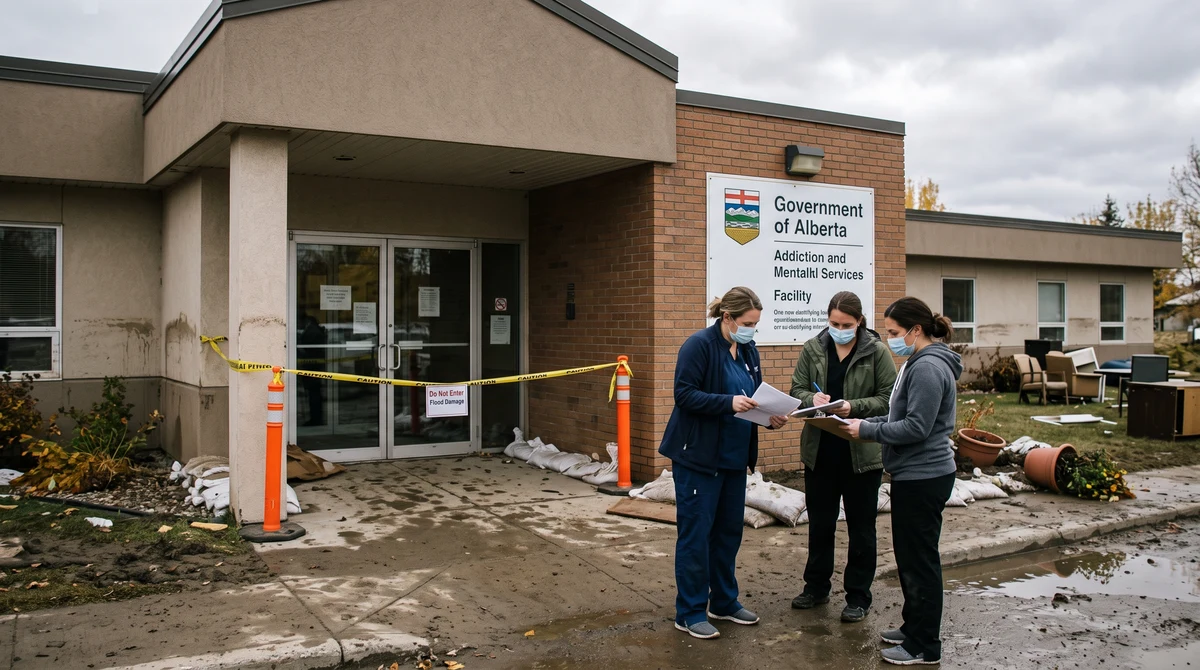
Alberta’s regulated online gambling market launched on July 13, 2026. The province’s largest provincially run voluntary addiction treatment centre in the Edmonton region is also closing after flood damage, leaving nearly 600 people without the program they were waiting to enter.
Recovery Alberta told Henwood Treatment Centre staff on August 20 that the 62-bed program would close, according to reporting by the Investigative Journalism Foundation published by Global News on August 25. The Alberta government said the facility would remain closed for the foreseeable future while it assessed significant damage caused by overland flooding.
- Henwood stopped accepting new applications in late June.
- Nearly 600 people were on its wait list at that time.
- The centre was evacuated on June 28, according to Alberta Health Services.
- The government said existing clients were moved to other addiction treatment and recovery services.
Capacity pressure as gambling access expands
Henwood is a general addiction treatment program, not a gambling-only facility. Its closure does not show that gambling treatment has been cut. It does remove a major residential treatment option as Alberta expands regulated online gambling access.
Gambling disorder is treated as an addiction and can occur alongside substance-use and mental-health conditions. Alberta’s health guidance lists counselling, family support and other mental-health services among possible treatments for gambling disorder.
The provincial government says Alberta’s new iGaming system includes stronger player protections. These include centralized self-exclusion and rules intended to prevent advertising from targeting minors and vulnerable people. Alberta also directs one per cent of total gross gaming revenue to gambling research, prevention, education and treatment.
The funding commitment is separate from whether enough treatment beds, staff and alternative services are available when demand rises.
What the closure means for people seeking care
Henwood offered live-in treatment for adults with substance-use and concurrent mental-health concerns. Alberta Health Services lists individual and group counselling, psychiatric and medical consultation, recreation therapy, workshops and 24-hour nursing care among its services.
The closure removed 62 residential beds from the Edmonton system. The Global News report said wait times for a Henwood bed ranged from one to four months, depending on the applicant, before the program stopped taking new referrals.
Alberta’s addiction-bed dashboard showed 25 treatment beds available at the 100-bed Lakeview Recovery Community on August 23. The province has also announced new treatment, housing and stabilization spaces in the Edmonton area.
Those facilities do not automatically replace Henwood. Programs differ in length, eligibility, medical support and location.
Government promises more services
The Ministry of Mental Health and Addiction said Alberta had announced a $30 million investment intended to add more than 400 treatment, housing and stabilization beds in the Edmonton area. The ministry also said 25 long-term treatment beds had opened at Lakeview and that 75 more beds were expected later in 2026.
Recovery communities can provide stays of up to one year. Alberta says their eligibility rules generally require adults to take part in daily activities and live in a community setting. That model differs from a shorter residential program such as Henwood.
Henwood’s future remains under assessment, while replacement projects have different opening schedules and service models. Alberta has not announced an equivalent relocation of all 62 beds in Edmonton.
The accountability question
Alberta’s iGaming strategy assigns separate roles to the Alberta iGaming Corporation and Alberta Gaming, Liquor and Cannabis. The corporation oversees the market, while the commission regulates it.
The province’s revenue plan allocates one per cent of gross gaming revenue to social responsibility initiatives. It also allocates two per cent to First Nations initiatives.
The government has not linked the Henwood closure to the iGaming launch. Available reporting does not establish that gambling revenue has funded replacement beds for the closed program.
That leaves a public-interest question: how will Alberta measure whether its new gambling revenue is producing enough prevention and treatment capacity as online gambling becomes easier to access?
For Albertans concerned about gambling or another addiction, Recovery Alberta lists a 24-hour Addiction Helpline at 1-866-332-2322. The province also offers rapid-access addiction medicine services for behavioural addictions, including gambling.